Review draft. This opening preserves the family's proposed wording. The time of day, first-ever stoppage and presidency-vote claims remain unverified; see the verification and correction log.
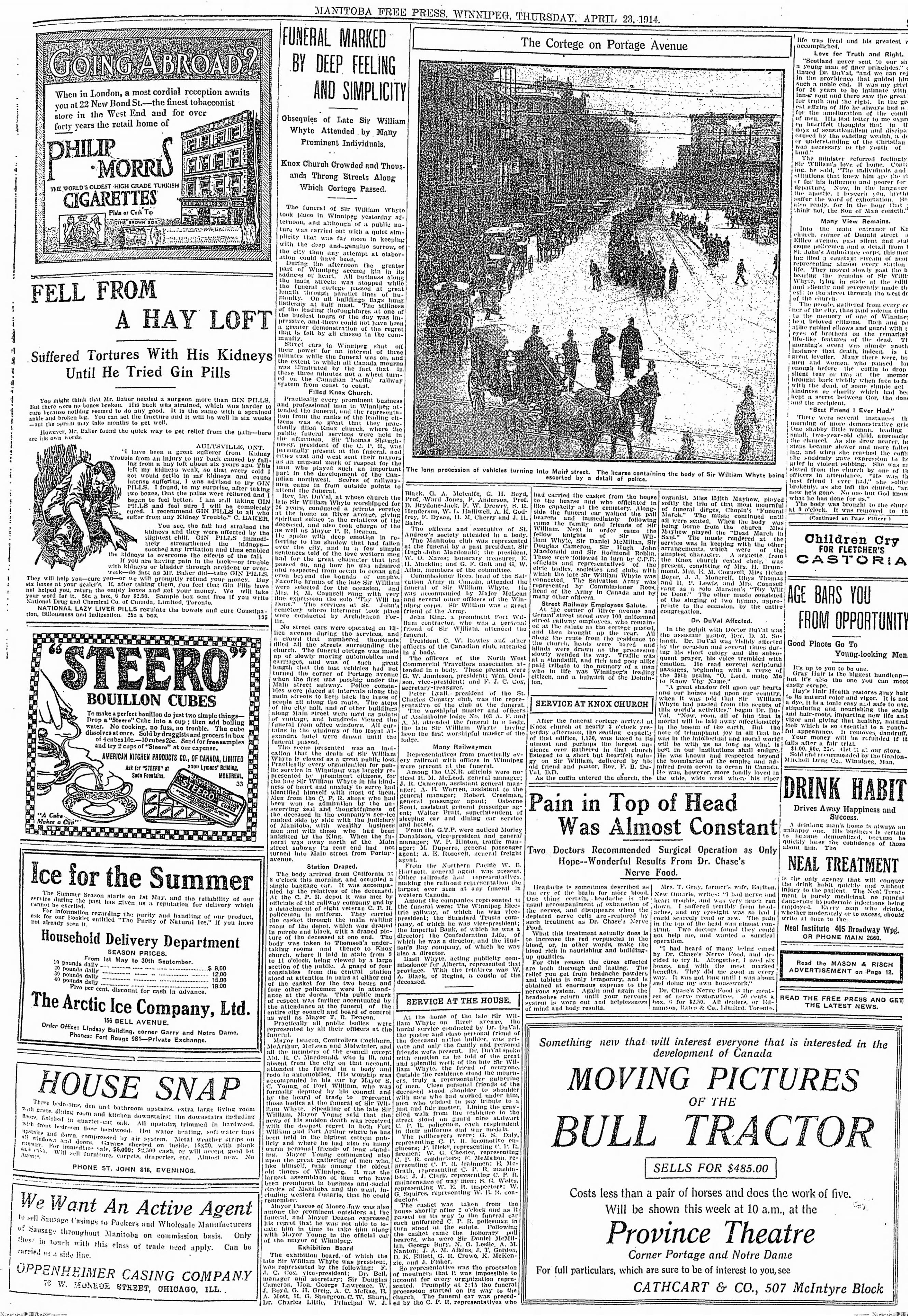
At a quarter past three on 22 April 1914, every train on the Canadian Pacific stopped where it was. From Halifax to Vancouver, freights sat on sidings, passenger trains held at stations, yard engines went quiet. In Winnipeg the streetcars stopped too. For three minutes nothing moved on the railway that had made the country, and then it started again.
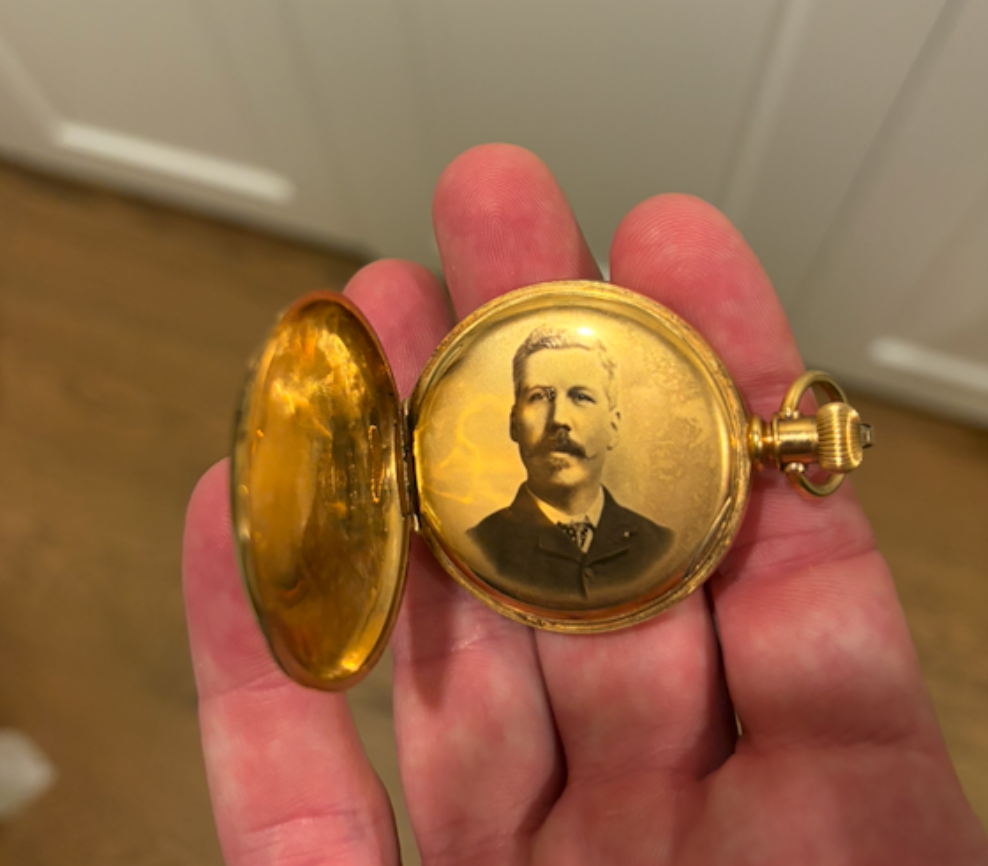
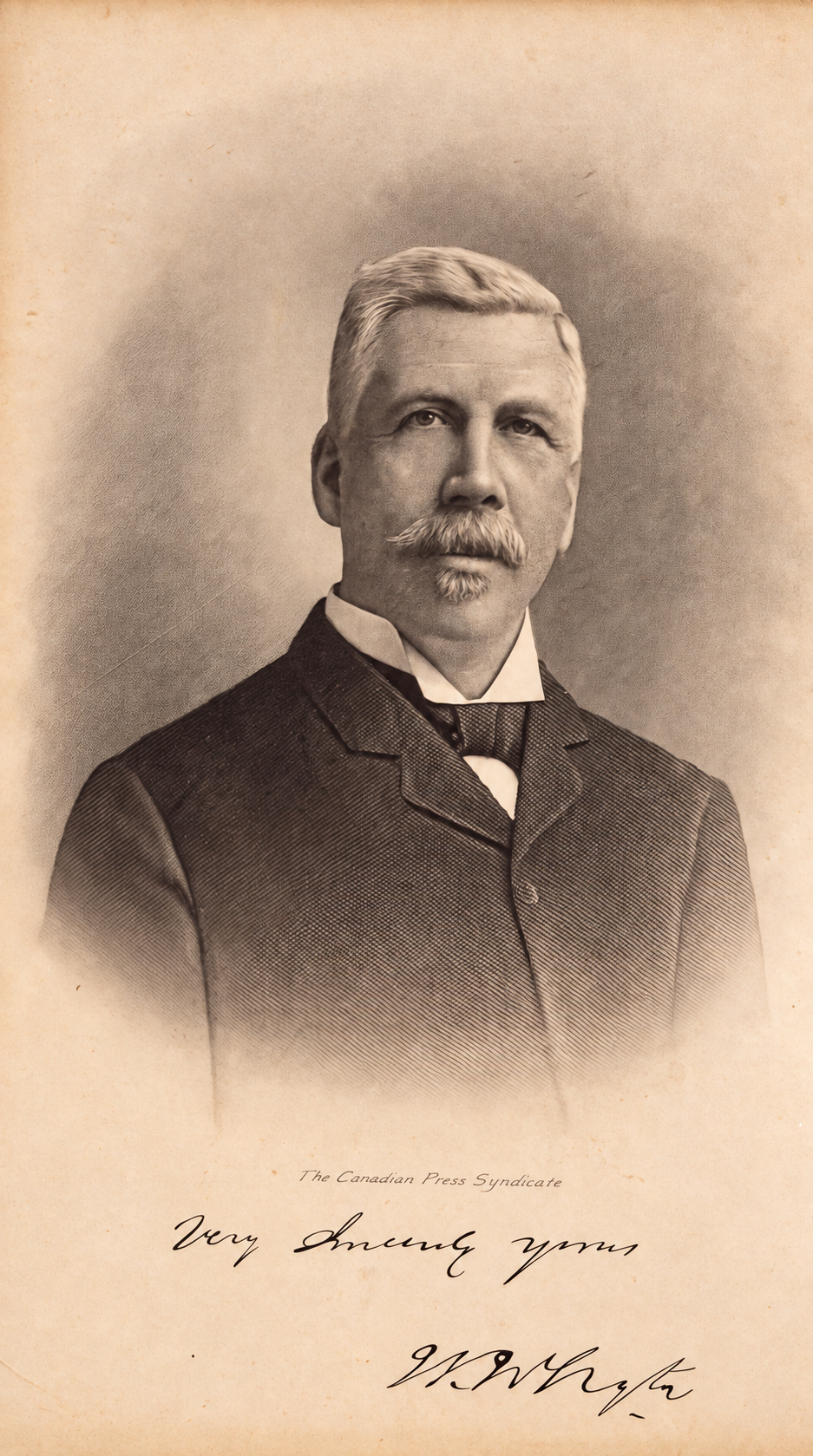
The man being buried had arrived in Canada fifty-one years earlier with a station agent's training and nothing else. He was twenty. He got a job as a brakeman on the Grand Trunk, riding the roofs of freight cars in Ontario winters to set the brakes by hand. He worked every job on a railway — switchman, clerk, foreman, yardmaster, conductor, stationmaster — before he ran one.
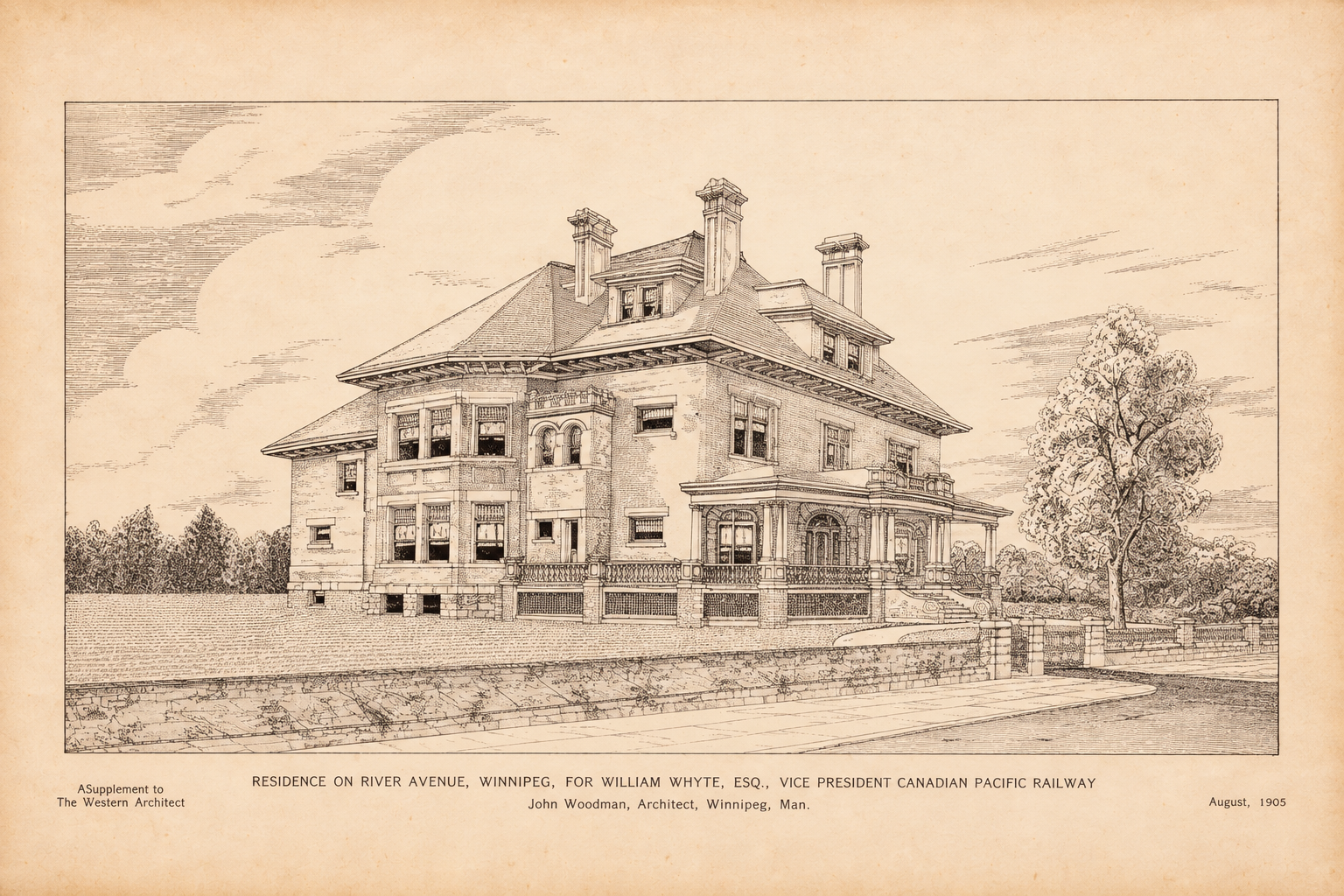
In 1886 the Canadian Pacific sent him west to Winnipeg. It was a town of twenty thousand on a mud river. When he retired twenty-five years later, everything on the CPR west of Lake Superior answered to him — fourteen hundred miles of main line, the branch lines feeding it, the towns strung along them, the grain that moved on it and the immigrants who came to grow it. The West that exists on the map today was, to an unusual degree, built along lines he decided to lay.
He did not run it from an office. Farmers climbed aboard his private car at Indian Head to argue for a branch line, and got one. When a rival railway tried to cross the CPR's tracks south of Winnipeg in 1888, he parked that car at the crossing and held it — the place is still called Fort Whyte. He wrote, in his own hand, that the prairie would fail without its forests and its water, and was ahead of his time in saying so. When two crews had argued for weeks about why oat cars kept breaking down, he suggested weighing the oats. It took three minutes.
Winnipeg buried him on a Wednesday. The lieutenant-governor walked in the procession. So did the premier, and the son of the prime minister who had built the railway. The president of the CPR came from Montreal — the man who had beaten him for that job by a single vote fifteen years before. The coffin was carried by engineers, firemen and machinists. The government of the province walked behind the men who ran the trains.
The railway had never stopped for anyone before — not for a president. When Van Horne himself died the following year, it stopped for him the same way. The precedent was set for a brakeman.
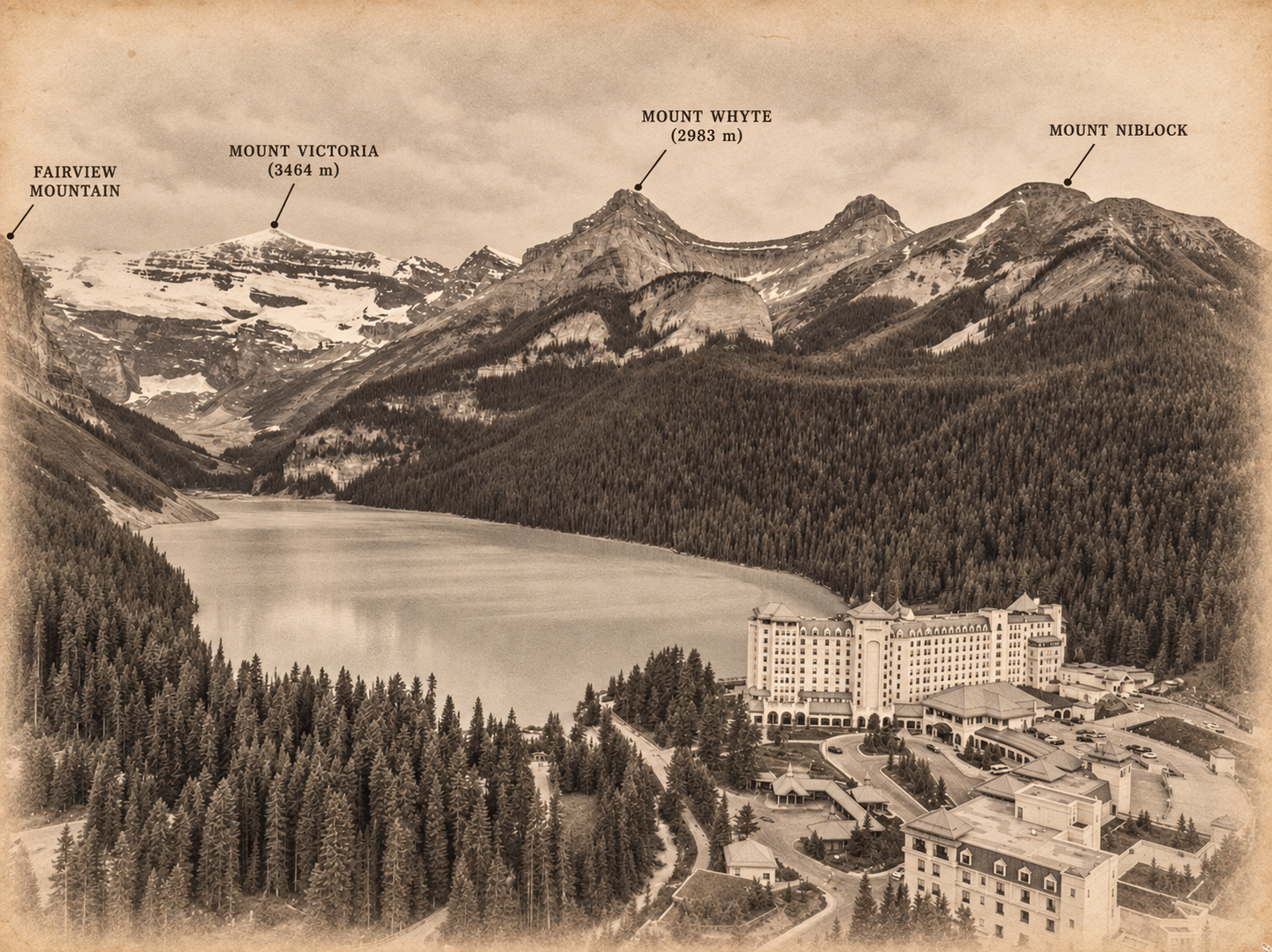
He was knighted by George V in 1911. A mountain above Lake Louise carries his name, and an avenue in Edmonton, and a beach on Lake Winnipeg, and a school. Almost no one knows why.
This is why.
Free Press, 23 April 1914 · Gibbons 1957 and contemporary Van Horne source: not yet located